
Putting Your Eye Health First
An eye exam is an important part of preventive healthcare. Not only can your optometrist check that your eyewear prescription is providing the vision you want during an eye exam, but they can also check for the development of eye diseases and other serious eye conditions.
Many eye diseases can damage your vision permanently, and many progress without any noticeable symptoms, particularly in the beginning. We can help detect, diagnose, and manage these conditions, even before symptoms arise.
We’re here to safeguard your vision through our comprehensive eye exams. Schedule yours today.
Book Appointment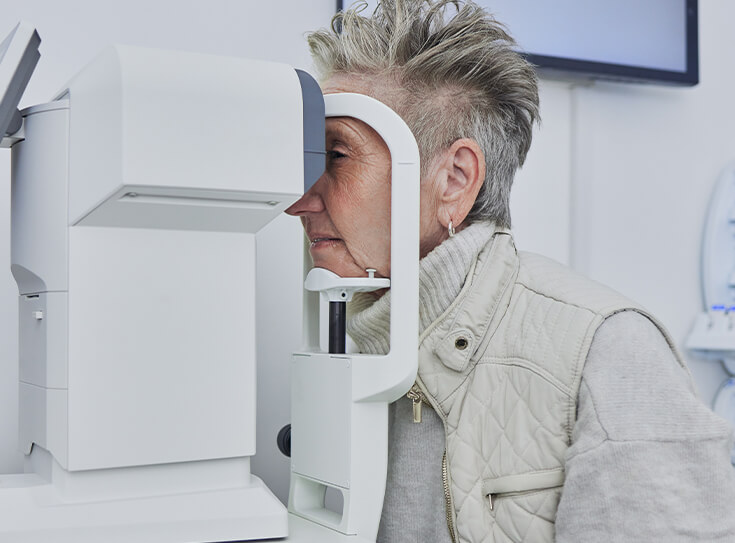
The Importance of Routine Eye Exams
Many eye diseases begin without noticeable symptoms. This means that by the time you notice problems with your vision, the damage could be irreversible.
That is why routine eye exams matter. By attending annual eye exams, you maintain a thorough preventive health routine that allows your optometrist to screen for common eye diseases and catch early signs of trouble before the condition has progressed. The earlier we detect an eye condition, the more effective our treatments can be.
Common Eye Diseases We Diagnose and Manage
Although many eye diseases don’t cause noticeable changes to your vision during the early stages, they can cause vision impairment and vision loss as they progress. Regular, comprehensive eye exams can screen for common conditions such as glaucoma, cataracts, and macular degeneration.
Optometrists can also assist with the diagnosis and treatment of conjunctivitis (pink eye), which can be contagious or non-contagious. Contact us for an appointment if you suspect you or your child has conjunctivitis.
Macular degeneration is a condition that affects the macula. This is a small part of the retina responsible for central vision and most of your color vision. There are two types of macular degeneration: dry and wet. Dry macular degeneration accounts for the majority of cases.
While there is no cure for macular degeneration, there are treatments and preventative methods available. Protecting your eyes from UV rays can reduce your risk, as can including appropriate levels of lutein, zeaxanthin, omega-3, vitamin C, vitamin E, and zinc in your diet.
For individuals diagnosed with macular degeneration, we offer supplements formulated with the above nutrients specific to macular degeneration, as well as OCT scans and retinal imaging for monitoring. We will also refer you to a specialist if necessary.
Glaucoma is a group of eye diseases characterized by damage to the optic nerve, which is responsible for sending images from the eyes to the brain. Glaucoma has various forms, the most common being open-angle glaucoma, which develops slowly and without symptoms.
We screen for glaucoma during comprehensive eye exams. Our screenings include retinal imaging, tonometry to check eye pressure, and visual field testing to check peripheral vision. Patients at an increased risk for glaucoma may also have OCT scans.
We can assist in monitoring and managing glaucoma through routine eye exams and prescription eye drops. If we determine further interventions are required, we can provide a referral to a glaucoma specialist.
Cataracts occur when proteins in the eye’s natural lens break down, creating a cloudy film. Most often, cataracts occur with age; however, conditions such as diabetes can cause them to form earlier.
While early cataracts are managed with stronger glasses, advanced cases require surgery. This quick, common procedure removes the clouded lens and replaces it with an artificial implant to restore clear vision. We offer co-management, including preparation, ophthalmologist referral, and post-surgery monitoring.
Keratoconus is an eye condition that occurs when the normally round cornea (the clear, front part of the eye) thins and becomes irregular or cone-shaped. Keratoconus can affect your vision.
We manage keratoconus through continuous monitoring and updating your prescription. We offer specialty contact lenses, which may provide improved comfort for those with keratoconus, including scleral lenses, soft contact lenses, and hybrid lenses. If necessary, we can also refer patients for corneal crosslinking with an ophthalmologist.
Diabetic eye disease refers to a group of eye conditions that are caused by diabetes complications. Diabetes can damage your blood vessels, including the delicate ones in your eyes, leading to diabetic retinopathy and diabetic macular edema, as well as an increased risk of glaucoma and cataracts.
We use Optos retinal imaging and Cirrus OCT technology to monitor your eye health for signs of disease during comprehensive eye exams for people with diabetes.
Conjunctivitis, or pink eye, is the swelling or inflammation of the conjunctiva, which is the thin, transparent layer that lines the inner surface of the eyelid and covers the white part of the eye.
Conjunctivitis can be caused by a bacterial or viral infection (infectious conjunctivitis), an allergic reaction, or exposure to chemicals. We recommend visiting an optometrist to diagnose the cause of your conjunctivitis and prescribe an appropriate treatment.
Early Diagnosis Powered by Technology
Diagnostic technologies refer to the different testing devices we use to monitor your eye health and screen for eye disease during your comprehensive exam. By using our eye care technology, we get an enhanced view of your eyes through high-resolution images and can track your health from one appointment to the next. This allows us to detect small changes in your eye health before you experience visual impacts.
Explore some of our favorite diagnostic tools.
Our Optos digital retinal imaging device captures an ultra-widefield photo of the inside of your eye. The Optos image shows the retina, blood vessels, and optic nerve, allowing us to monitor these vital structures for signs of disease.
Optical coherence tomography (OCT) uses light waves to map your retina’s layers, measuring their thickness and tracking changes. It can also map the front of the eye (cornea, iris, pupil). OCT scans are vital for diabetic eye exams, as well as screenings for glaucoma and AMD, by monitoring changes in the retina, front of the eye, and eye pressure.
The Oculus Keratograph is a corneal topographer with a built-in keratometer. A keratometer assists in providing accurate measurements of the corneal curvature, which allows us to monitor keratoconus.
It can also measure tear break-up time, the height of the tear meniscus, and the health of the meibomian glands, which are all important tests for determining the cause of dry eye.
Protect Your Eyes with Preventive Care
Eye exams are a key component of preventive healthcare. From early diagnosis of eye conditions to educating patients about caring for their eyes through sun protection, diet, and overall health, eye care professionals can help you safeguard both your visual and whole-body health.
Your journey to optimal visual health begins with St. Johns Eye Associates. We provide personalized care, from preventive screenings to the treatment of existing eye conditions, supporting your eye health through every life stage. Schedule your appointment with us today.
Book Appointment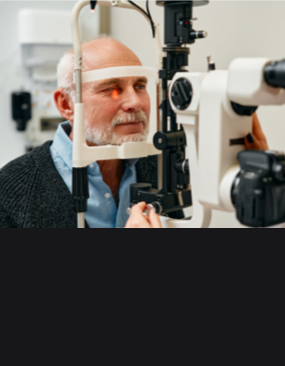




Visit Our Locations
San Marco Location
Find us in the San Marco area, near the intersection of Hendricks Avenue and Atlantic Boulevard. We’re next door to Crumbl Cookie and the Publix parking garage.
- Phone: 904-622-0844
- Email: sanmarcooffice@stjohnseye.com
- 2039 Hendricks Ave, Unit 213
- Jacksonville, FL 32207
Hours of Operation
CR 210 Location
Find us near the Watson Realty building on Hampton Point Drive. We’re across Old Country Road from the Cimarrone Golf Club. Plenty of free parking is available.
- Phone: 904-287-9137
- Email: 210office@stjohnseye.com
- 161-3 Hampton Point Dr
- St. Augustine, FL 32092
Hours of Operation
Nocatee Location
Find us on Nocatee Village Drive, just across from The Link. There is plenty of free parking available.
- Phone: 904-825-4525
- Email: nocateeoffice@stjohnseye.com
- 200 Nocatee Village Dr
- Ponte Vedra, FL 32081
Hours of Operation
World Golf Village Location
Find us next to the Publix on Village Commons Drive, across from Tocoi Creek High School. There is plenty of free parking available.
- Phone: 904-530-9802
- Email: wgvoffice@stjohnseye.com
- 150 Village Commons Dr, Suite A-102
- St. Augustine, FL 32092
Hours of Operation
Our Eyewear Brands










Our Google Reviews

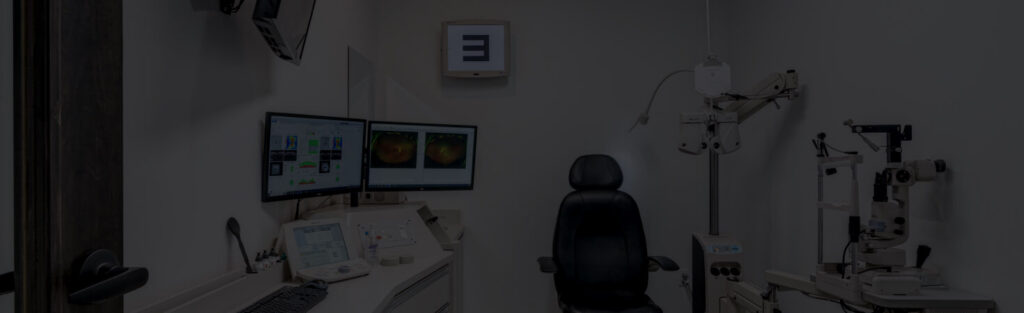
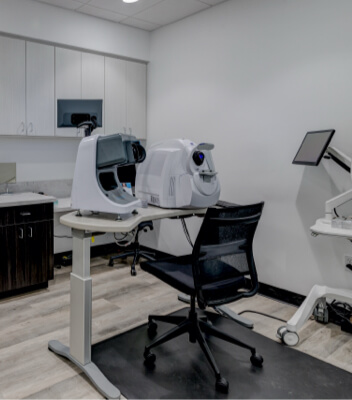
Sneak a Peek at Our Offices




About Us
Specialty Eye Care
Eyewear & Contacts
Our Locations
Jacksonville Location
- 2039 Hendricks Ave, Unit 213
- Jacksonville, FL 32207
CR 210 Location
- 161-3 Hampton Point Dr
- St. Augustine, FL 32092
Nocatee Location
- 200 Nocatee Village Dr
- Ponte Vedra, FL 32081
World Golf Village Location
- 150 Village Commons Dr, Suite A-102
- St. Augustine, FL 32092